Explore the climb

MT. BAKER: COLEMAN-DEMING SKI DESCENT

Duration

3-Days

Elevation

10,781FT

Skill Level

Intermediate

WASHINGTON / NORTH AMERICA

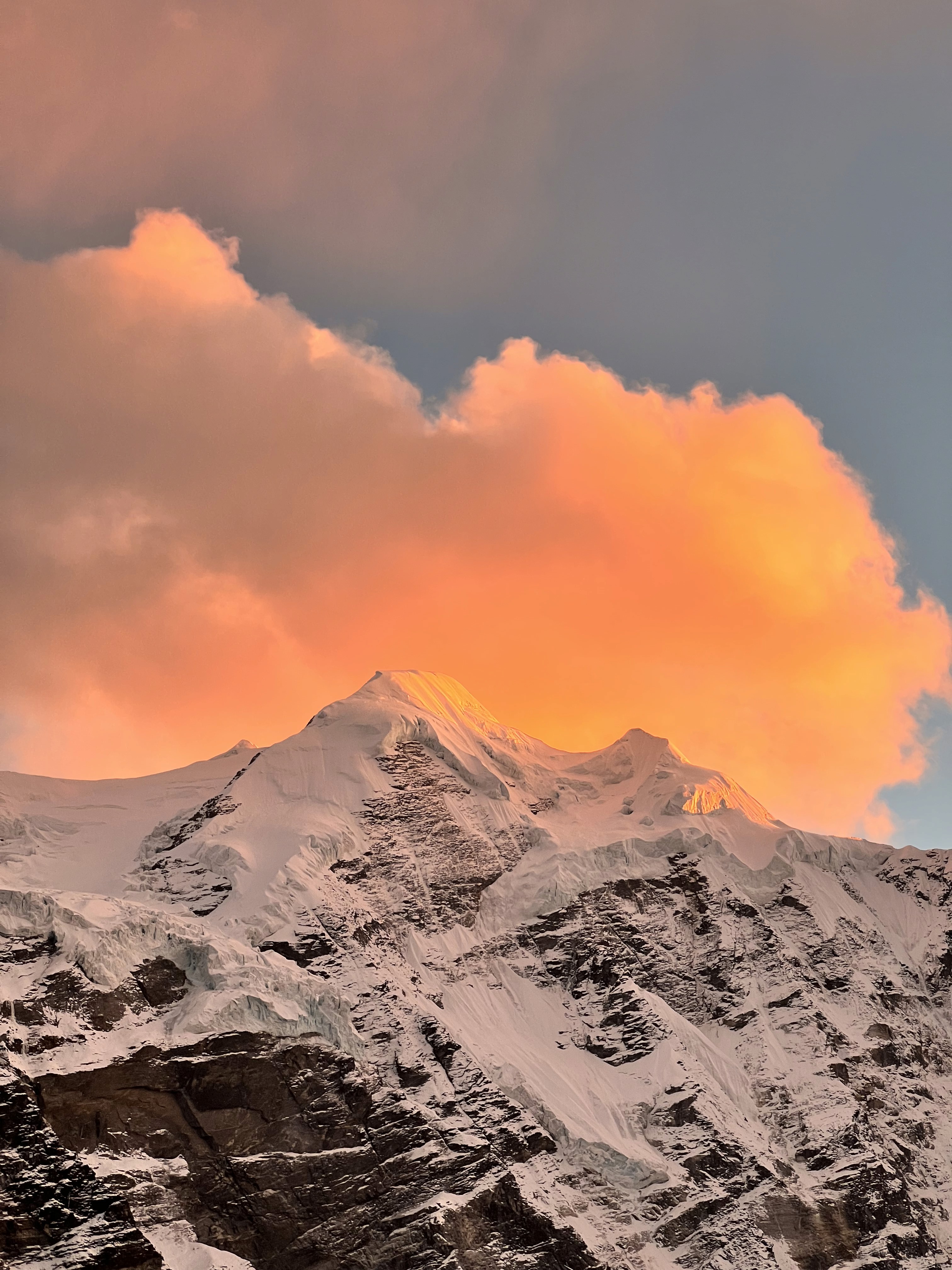
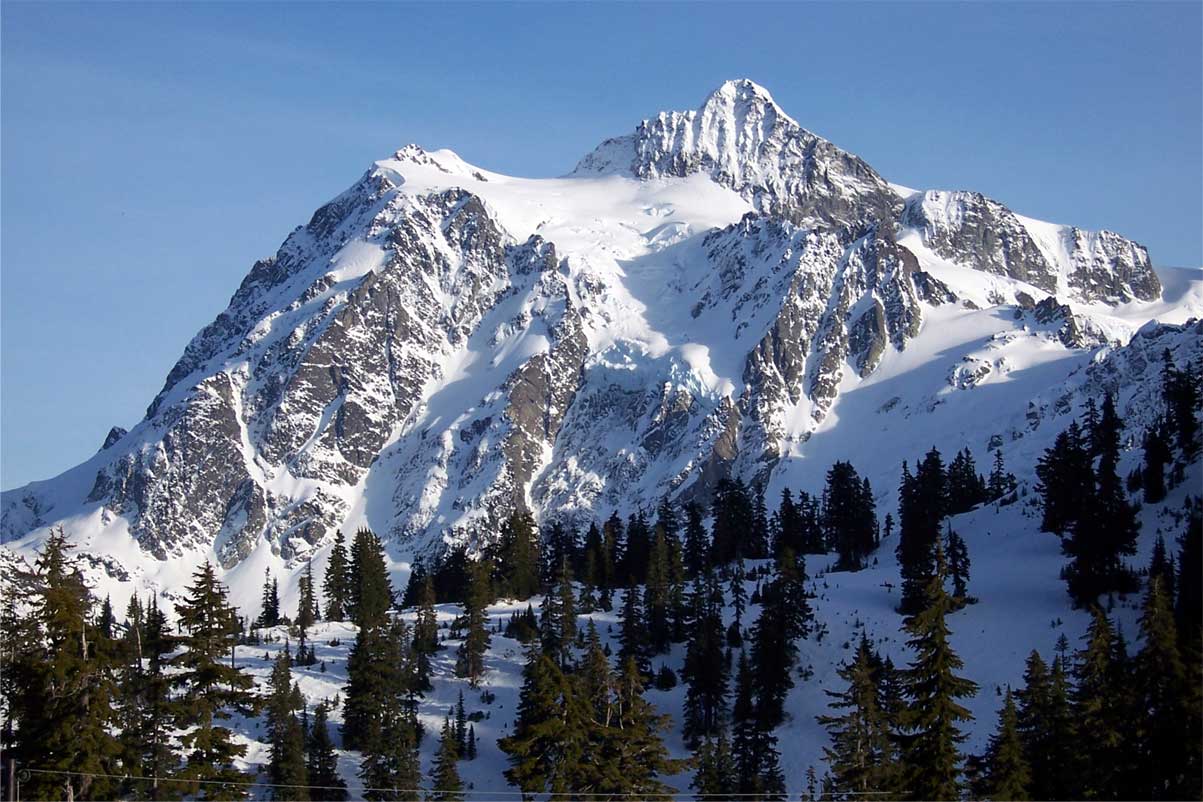
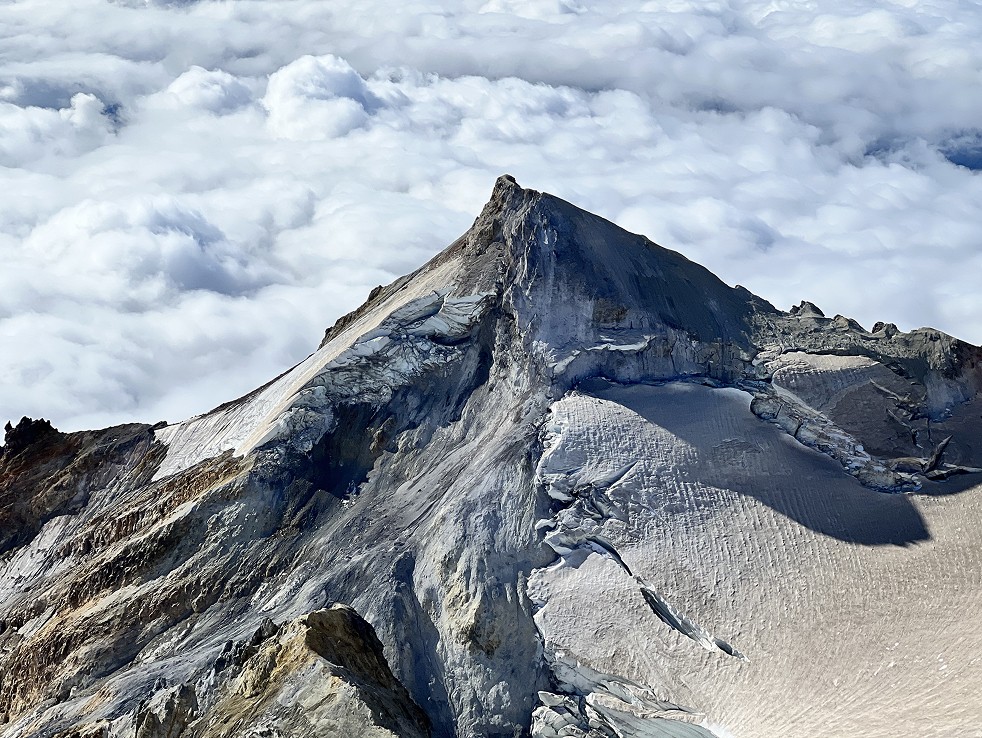
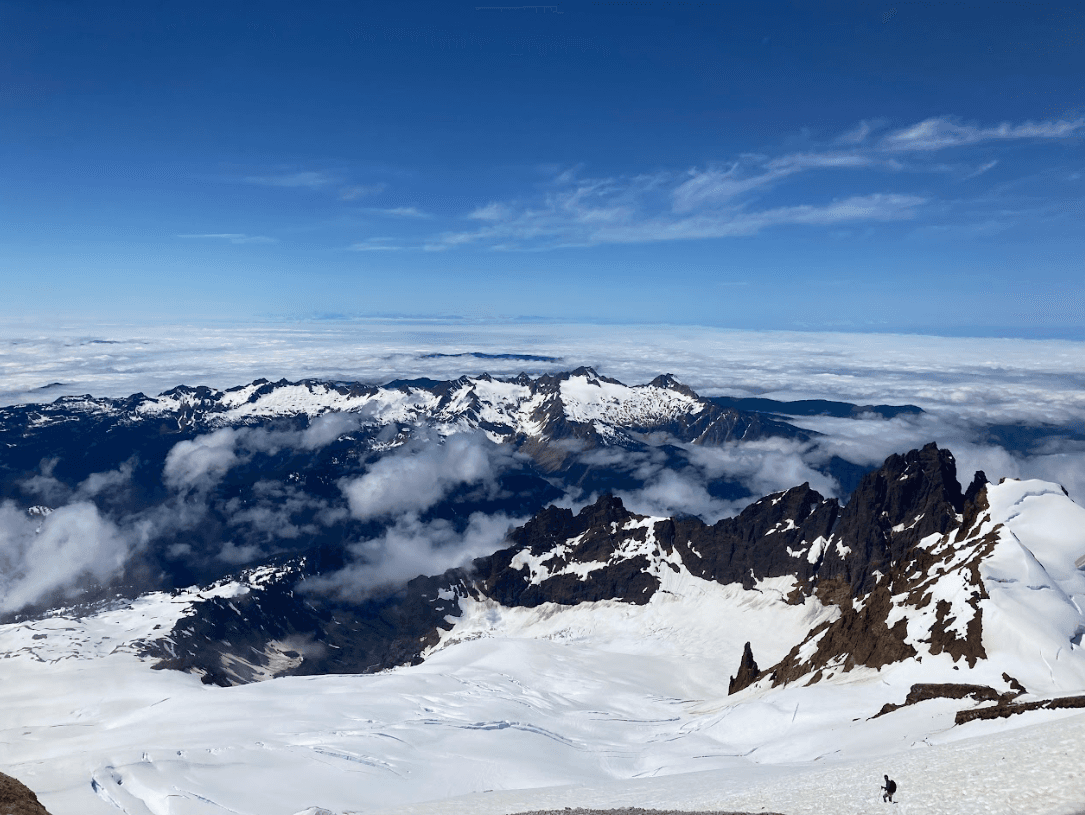
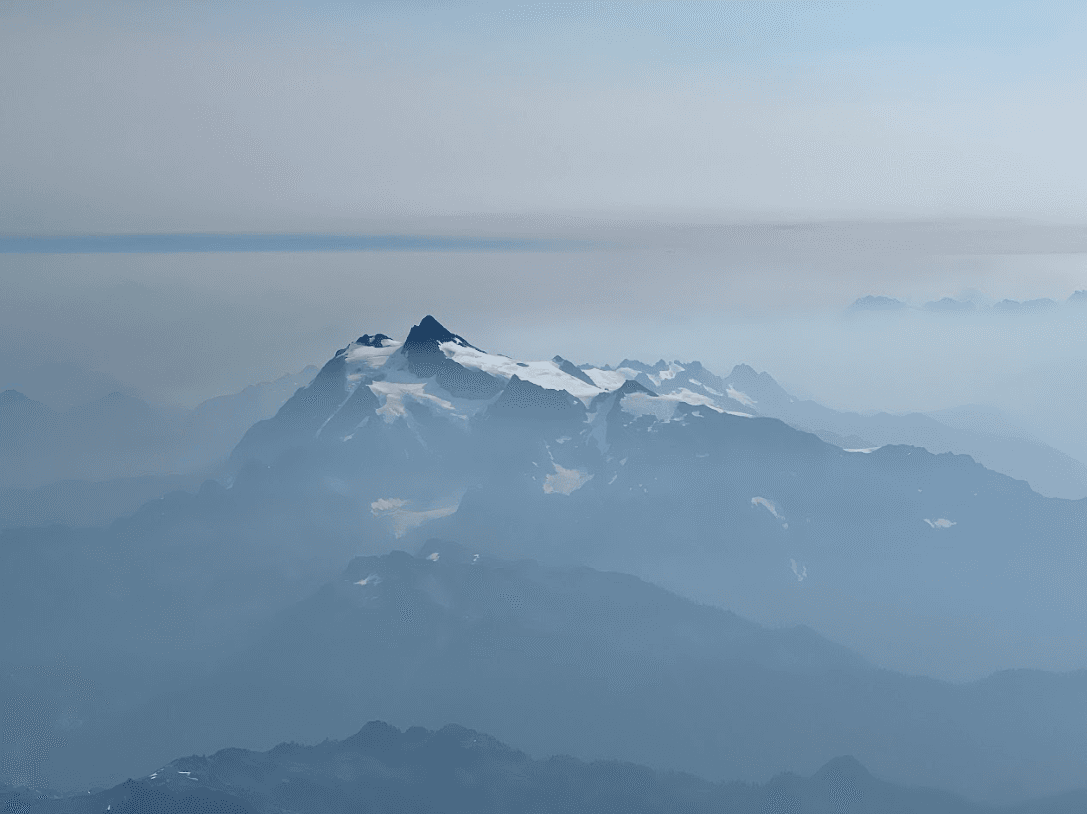
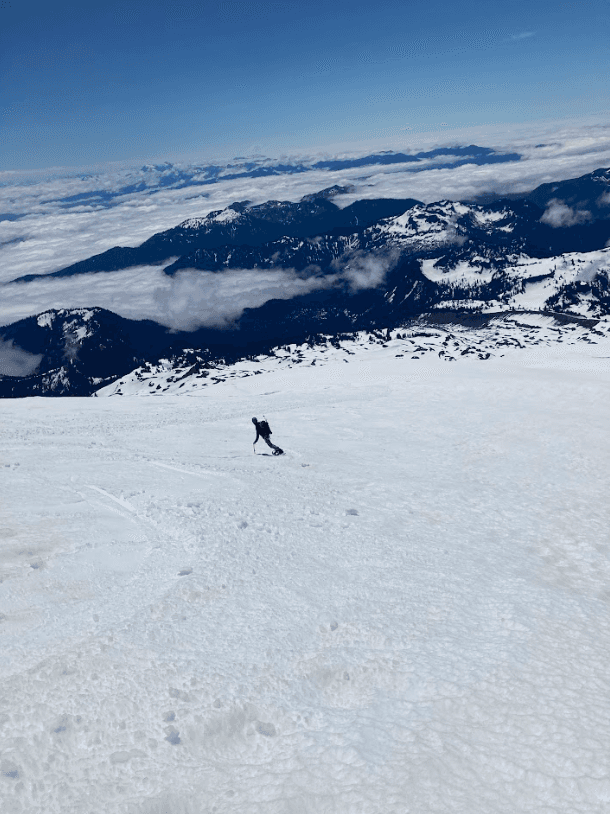
Summit and ski one of the Northwest's most iconic peaks on a classic glacier route perfect for aspiring ski mountaineers. Situated at the northern edge of Washington's Cascade mountain range, Mt. Baker offers stunning 360-degree views looking into Canada, over the Salish Sea and San Juan Islands, and—on a clear day—all the way south to epic Mt. Rainier. The descent delivers over 7,000 vertical feet of glacier skiing through varied terrain, making it one of the premier ski mountaineering objectives in the Cascades.

Explore the climb

MT. BAKER: COLEMAN-DEMING SKI DESCENT

Duration

3-Days

Elevation

10,781FT

Skill Level

Intermediate

WASHINGTON / NORTH AMERICA

Summit and ski one of the Northwest's most iconic peaks on a classic glacier route perfect for aspiring ski mountaineers. Situated at the northern edge of Washington's Cascade mountain range, Mt. Baker offers stunning 360-degree views looking into Canada, over the Salish Sea and San Juan Islands, and—on a clear day—all the way south to epic Mt. Rainier. The descent delivers over 7,000 vertical feet of glacier skiing through varied terrain, making it one of the premier ski mountaineering objectives in the Cascades.

Explore the climb

MT. BAKER: COLEMAN-DEMING SKI DESCENT

Duration

3-Days

Elevation

10,781FT

Skill Level

Intermediate

WASHINGTON / NORTH AMERICA

Summit and ski one of the Northwest's most iconic peaks on a classic glacier route perfect for aspiring ski mountaineers. Situated at the northern edge of Washington's Cascade mountain range, Mt. Baker offers stunning 360-degree views looking into Canada, over the Salish Sea and San Juan Islands, and—on a clear day—all the way south to epic Mt. Rainier. The descent delivers over 7,000 vertical feet of glacier skiing through varied terrain, making it one of the premier ski mountaineering objectives in the Cascades.

MT. BAKER: COLEMAN-DEMING SKI DESCENT

Duration

3-Days

Elevation

10,781FT

Skill Level

Intermediate

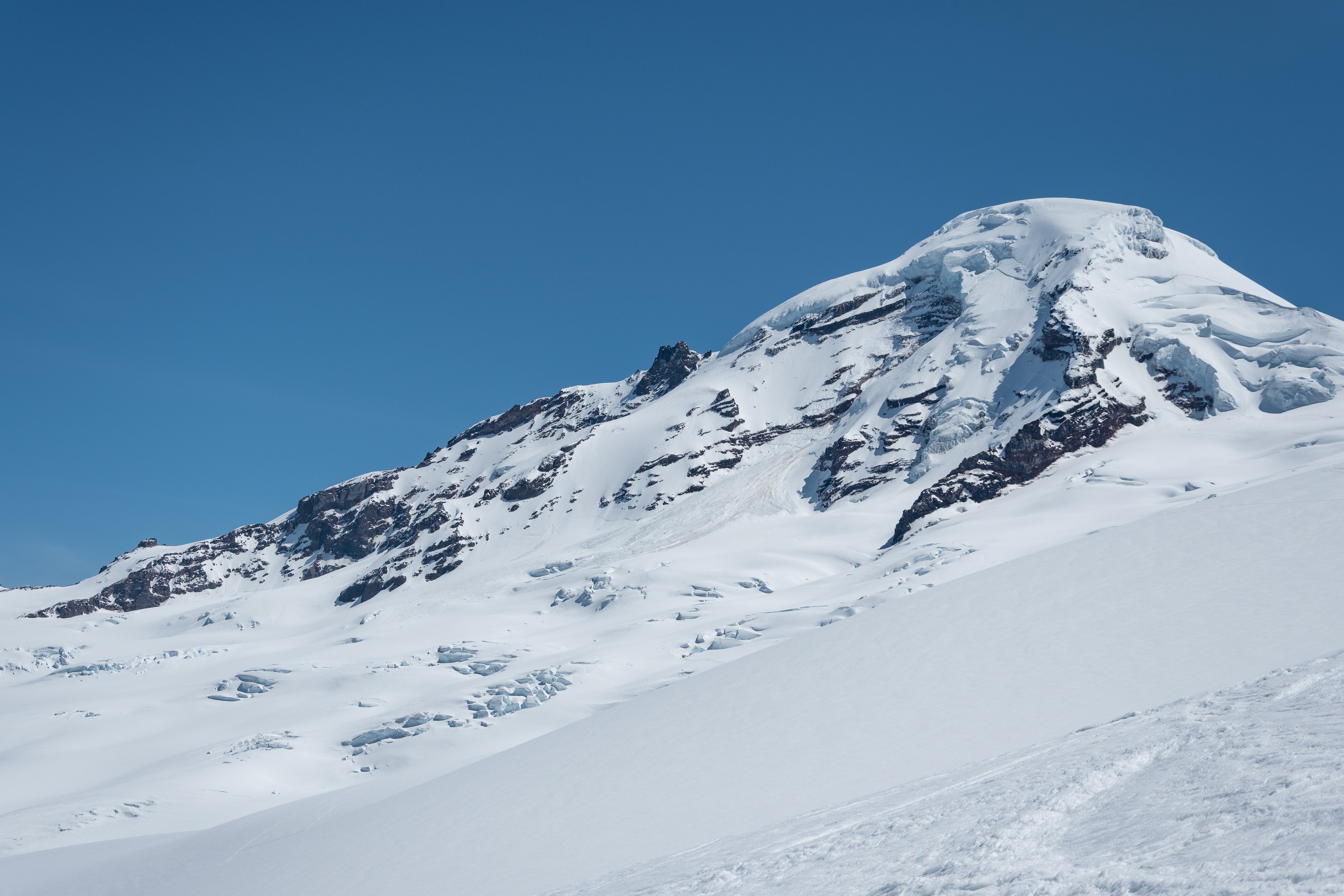
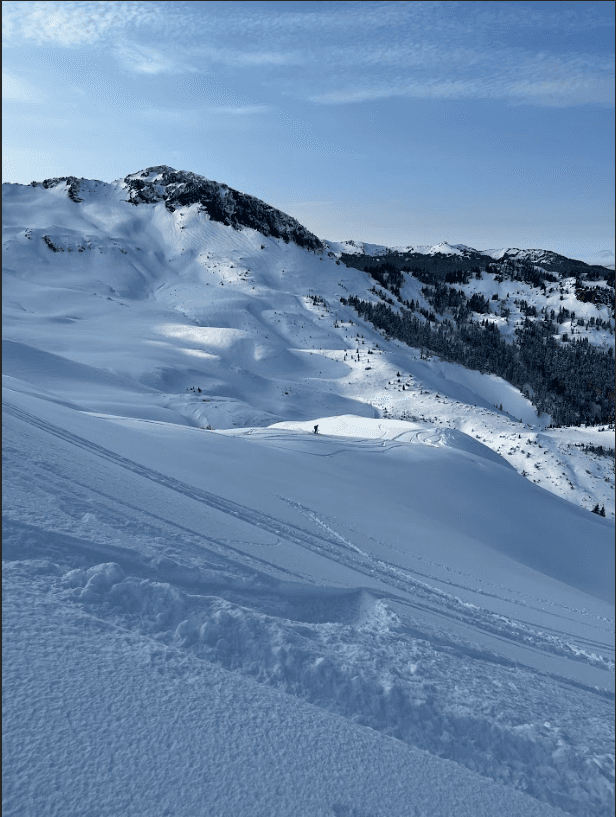
The Coleman–Deming Ski Descent is one of the most exciting ways to experience Mt. Baker (10,781 ft). Over three days, you’ll ascend the mountain’s most classic glacier route and trade crampons for skis on a spectacular descent. This climb-and-ski adventure combines the fundamentals of glacier travel with the joy of skiing over 7,000 feet of varied terrain. We'll climb to a high camp on the Coleman Glacier, where you’ll prepare for an early morning summit push. After reaching the top, the descent begins—an unforgettable ski from the summit slopes of Mt. Baker through wide-open glacier fields and back into the alpine. Perfect for advanced skiers with some backcountry experience, this trip offers a chance to blend mountaineering with big-mountain skiing in the heart of the North Cascades.

Book This Trip

Secure your spot on this incredible journey.

Not sure where to start?

MT. BAKER: COLEMAN-DEMING SKI DESCENT

Duration

3-Days

Elevation

10,781FT

Skill Level

Intermediate

The Coleman–Deming Ski Descent is one of the most exciting ways to experience Mt. Baker (10,781 ft). Over three days, you’ll ascend the mountain’s most classic glacier route and trade crampons for skis on a spectacular descent. This climb-and-ski adventure combines the fundamentals of glacier travel with the joy of skiing over 7,000 feet of varied terrain. We'll climb to a high camp on the Coleman Glacier, where you’ll prepare for an early morning summit push. After reaching the top, the descent begins—an unforgettable ski from the summit slopes of Mt. Baker through wide-open glacier fields and back into the alpine. Perfect for advanced skiers with some backcountry experience, this trip offers a chance to blend mountaineering with big-mountain skiing in the heart of the North Cascades.

MT. BAKER: COLEMAN-DEMING SKI DESCENT

Duration

3-Days

Elevation

10,781FT

Skill Level

Intermediate

The Coleman–Deming Ski Descent is one of the most exciting ways to experience Mt. Baker (10,781 ft). Over three days, you’ll ascend the mountain’s most classic glacier route and trade crampons for skis on a spectacular descent. This climb-and-ski adventure combines the fundamentals of glacier travel with the joy of skiing over 7,000 feet of varied terrain. We'll climb to a high camp on the Coleman Glacier, where you’ll prepare for an early morning summit push. After reaching the top, the descent begins—an unforgettable ski from the summit slopes of Mt. Baker through wide-open glacier fields and back into the alpine. Perfect for advanced skiers with some backcountry experience, this trip offers a chance to blend mountaineering with big-mountain skiing in the heart of the North Cascades.

Overview

What your adventure involves

What your Adventure involves

Learn essential ski mountaineering skills
This trip is suitable for advanced skiers with backcountry experience and good fitness. The ascent involves moderate snow and ice travel with crampons and ice axes, roped team movement, and steady elevation gain over multiple days. The descent requires confident skiing in variable snow conditions on glacier terrain.
Beautiful Route
The Coleman-Deming route ascends Mount Baker's northwest side via the Coleman Glacier, offering dramatic views of the Puget Sound lowlands and North Cascades peaks. The ski descent delivers over 7,000 vertical feet through wide-open glacier fields and varied terrain, combining classic mountaineering with big-mountain skiing.
Season and Conditions
April–June - Best ski conditions are typically spring when consolidated snow provides excellent descents. Early season offers more continuous snow coverage.
Flexible itinerary & safety-first decisions
Guides may adjust camp location, route, and turnaround times based on weather, conditions, and team pacing to maximize safety and success.

details

Everything you need to know before you go

If you need to rent crampons, ice axe, harness, or helmet, you can let us know when you book!

Included

Lightweight dinners and breakfasts

Tents

Rope

cooking equipment

Expert Guides

permits

NOT Included

transportation

personal clothing/boots

snacks/lunches

Technical rentals - available upon request

Preparation

Fitness

Skiers should be in good physical condition and able to hike for several hours while carrying a 35–45 lb pack. Training with uphill hikes, stair climbs, or weighted walks will help prepare your legs and endurance for the sustained ascent to high camp and the summit. Contact us for a free training consultation!

Skiers should be in good physical condition and able to hike for several hours while carrying a 35–45 lb pack. Training with uphill hikes, stair climbs, or weighted walks will help prepare your legs and endurance for the sustained ascent to high camp and the summit. Contact us for a free training consultation!

techincal

No prior mountaineering experience is required, but you must be an advanced skier with demonstrated proficiency in variable backcountry conditions. Your guides will teach all necessary glacier travel and climbing techniques during the trip, including how to use crampons, an ice axe, and move efficiently as part of a rope team. Confident skiing on steep, variable snow is essential for the descent.

No prior mountaineering experience is required, but you must be an advanced skier with demonstrated proficiency in variable backcountry conditions. Your guides will teach all necessary glacier travel and climbing techniques during the trip, including how to use crampons, an ice axe, and move efficiently as part of a rope team. Confident skiing on steep, variable snow is essential for the descent.

Altitude

At 10,781 feet, Mount Baker’s summit is high enough for some climbers to feel mild altitude effects such as shortness of breath or fatigue. Staying hydrated, moving at a steady pace, and spending a night at high camp helps your body adjust comfortably to the elevation.

At 10,781 feet, Mount Baker’s summit is high enough for some climbers to feel mild altitude effects such as shortness of breath or fatigue. Staying hydrated, moving at a steady pace, and spending a night at high camp helps your body adjust comfortably to the elevation.

Itinerary

Trip Itinerary

DAY 1
Approach & Camp
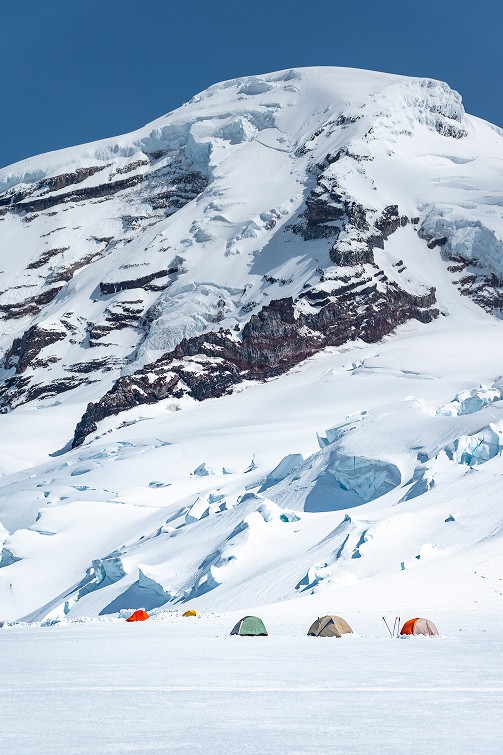
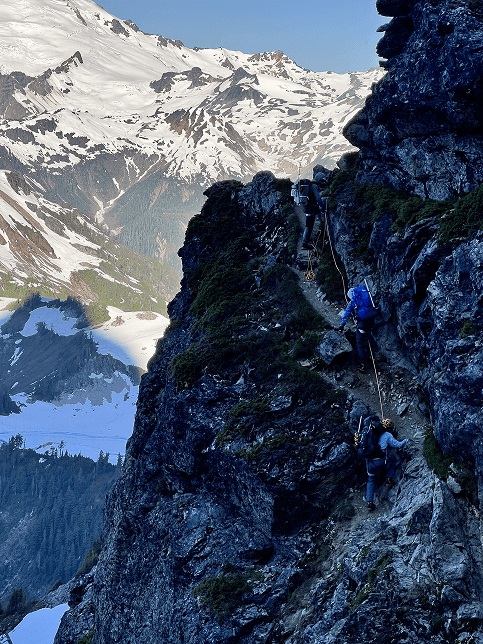
Meet your guide at the Glacier Visitor Information Center for introductions and a complete gear check. We'll drive to the trailhead and hike through old-growth forest, across streams, and up through alpine meadows to treeline, where we'll set up high camp at the Hogs Back. The afternoon includes skills sessions covering crampon and ice axe technique, rope team travel, and glacier safety. After dinner, enjoy alpenglow on the mountain before resting up for the big day ahead.
DAY 2
Summit Day and Ski Descent
Our summit push begins before dawn with hot drinks and breakfast. We'll climb steadily upward with spectacular views of Baker's north face and Colfax Peak, navigating around crevasses on the Coleman Glacier. Your guides will provide coaching and pacing to give everyone their best shot at the summit. After celebrating on top and taking in the 360-degree views, we'll transition to skis for the descent—thousands of feet of glacier skiing back to camp through varied terrain and snow conditions. We schedule the summit for day 2 to allow maximum time for both the ascent and the long ski descent, rather than rushing on day 3.
DAY 3
Descent and Celebration
Start the morning with sunrise, hot coffee, and breakfast while sharing stories from yesterday's climb and ski. After breaking camp, we'll hike out through the forest back to the trailhead, taking in final views of Baker along the way. The descent typically takes 2-3 hours, arriving back at the Glacier Visitor Information Center by early afternoon. Many teams choose to grab lunch together to celebrate the adventure. If flying out the same day, book flights after 7pm to allow plenty of travel time to the airport.

FAQ's

FAQ's

Do I need prior glacier experience?

No. This is a great first glacier climb. We’ll teach the fundamentals before and during the ascent.

How heavy is my pack?

Plan for 35–45 lb including personal gear, shared group items, water, and food to camp.

What if the weather turns?

Safety first. Guides may adjust route, timing, or turn around. A summit is never guaranteed; a great experience is.

What skiing ability is required for this trip?

You should be an advanced skier comfortable in variable backcountry conditions. The descent involves over 7,000 vertical feet on glacier terrain with changing snow conditions—from corn snow to breakable crust to wind-affected surfaces. Confident skiing on steep terrain (up to 35-40 degrees in sections) is essential.

Do I need to bring my own skis and boots?

Yes, participants need their own touring skis or splitboard, climbing skins, ski crampons, and boots compatible with tech bindings or splitboard setup. We'll provide a detailed gear list after registration. If you need gear recommendations or have questions about your setup, we're happy to help.

What if conditions aren't good for skiing?

Safety always comes first. If conditions make skiing unsafe (ice, extreme wind, poor visibility), we may descend on foot using crampons and ice axes instead. Your guide will make the final call based on current conditions, and we'll discuss options as a team.

Do I need prior glacier experience?

No. This is a great first glacier climb. We’ll teach the fundamentals before and during the ascent.

How heavy is my pack?

Plan for 35–45 lb including personal gear, shared group items, water, and food to camp.

What if the weather turns?

Safety first. Guides may adjust route, timing, or turn around. A summit is never guaranteed; a great experience is.

What skiing ability is required for this trip?

You should be an advanced skier comfortable in variable backcountry conditions. The descent involves over 7,000 vertical feet on glacier terrain with changing snow conditions—from corn snow to breakable crust to wind-affected surfaces. Confident skiing on steep terrain (up to 35-40 degrees in sections) is essential.

Do I need to bring my own skis and boots?

Yes, participants need their own touring skis or splitboard, climbing skins, ski crampons, and boots compatible with tech bindings or splitboard setup. We'll provide a detailed gear list after registration. If you need gear recommendations or have questions about your setup, we're happy to help.

What if conditions aren't good for skiing?

Safety always comes first. If conditions make skiing unsafe (ice, extreme wind, poor visibility), we may descend on foot using crampons and ice axes instead. Your guide will make the final call based on current conditions, and we'll discuss options as a team.

Do I need prior glacier experience?

No. This is a great first glacier climb. We’ll teach the fundamentals before and during the ascent.

How heavy is my pack?

Plan for 35–45 lb including personal gear, shared group items, water, and food to camp.

What if the weather turns?

Safety first. Guides may adjust route, timing, or turn around. A summit is never guaranteed; a great experience is.

What skiing ability is required for this trip?

You should be an advanced skier comfortable in variable backcountry conditions. The descent involves over 7,000 vertical feet on glacier terrain with changing snow conditions—from corn snow to breakable crust to wind-affected surfaces. Confident skiing on steep terrain (up to 35-40 degrees in sections) is essential.

Do I need to bring my own skis and boots?

Yes, participants need their own touring skis or splitboard, climbing skins, ski crampons, and boots compatible with tech bindings or splitboard setup. We'll provide a detailed gear list after registration. If you need gear recommendations or have questions about your setup, we're happy to help.

What if conditions aren't good for skiing?

Safety always comes first. If conditions make skiing unsafe (ice, extreme wind, poor visibility), we may descend on foot using crampons and ice axes instead. Your guide will make the final call based on current conditions, and we'll discuss options as a team.

Gear List

Gear List

Gear required to bring up on the mountain given the conditions may vary trip to trip. Your guide will help you decide what gear to bring or leave behind during the gear-check. If you need to rent crampons, ice axe, harness, or helmet, you can let us know when you book!
More Trips

MT. BAKER: COLEMAN-DEMING SKI DESCENT

Height

10,781FT

Skill Level

Intermediate

Duration

3-Days

MT. BAKER: COLEMAN-DEMING SKI DESCENT

Height

10,781FT

Skill Level

Intermediate

Duration

3-Days

MT. BAKER: COLEMAN-DEMING SKI DESCENT

Height

10,781FT

Skill Level

Intermediate

Duration

3-Days

Aconcagua Climb

Height

22,858FT

Skill Level

Intro

Duration

21-DAYS

Aconcagua Climb

Height

22,858FT

Skill Level

Intro

Duration

21-DAYS

Aconcagua Climb

Height

22,858FT

Skill Level

Intro

Duration

21-DAYS

Ecuador Volcanoes Climb

Height

19,347 FT

Skill Level

Intro

Duration

12-Days

Ecuador Volcanoes Climb

Height

19,347 FT

Skill Level

Intro

Duration

12-Days

Ecuador Volcanoes Climb

Height

19,347 FT

Skill Level

Intro

Duration

12-Days

Everest Base Camp Trek

Height

17,600FT

Skill Level

Intro

Duration

17-DAYS

Everest Base Camp Trek

Height

17,600FT

Skill Level

Intro

Duration

17-DAYS

Everest Base Camp Trek

Height

17,600FT

Skill Level

Intro

Duration

17-DAYS

Mt. Baker: North Ridge Climb

Height

10,786FT

Skill Level

Intermediate-Advanced

Duration

3-4 Days

Mt. Baker: North Ridge Climb

Height

10,786FT

Skill Level

Intermediate-Advanced

Duration

3-4 Days

Mt. Baker: North Ridge Climb

Height

10,786FT

Skill Level

Intermediate-Advanced

Duration

3-4 Days

Lobuche East Climb

Height

20,075FT

Skill Level

Intermediate

Duration

20-DAYS

Lobuche East Climb

Height

20,075FT

Skill Level

Intermediate

Duration

20-DAYS

Lobuche East Climb

Height

20,075FT

Skill Level

Intermediate

Duration

20-DAYS

Mt. Shuksan: Fisher Chimneys

Height

9,134FT

Skill Level

Intermediate

Duration

3-4 Days

Mt. Shuksan: Fisher Chimneys

Height

9,134FT

Skill Level

Intermediate

Duration

3-4 Days

Mt. Shuksan: Fisher Chimneys

Height

9,134FT

Skill Level

Intermediate

Duration

3-4 Days

Mt. Shuksan: Sulphide Glacier

Height

9,134FT

Skill Level

Intermediate

Duration

3-Days

Mt. Shuksan: Sulphide Glacier

Height

9,134FT

Skill Level

Intermediate

Duration

3-Days

Mt. Shuksan: Sulphide Glacier

Height

9,134FT

Skill Level

Intermediate

Duration

3-Days

MT. BAKER: EASTON GLACIER

Height

10,781FT

Skill Level

Intro

Duration

3-Days

MT. BAKER: EASTON GLACIER

Height

10,781FT

Skill Level

Intro

Duration

3-Days

MT. BAKER: EASTON GLACIER

Height

10,781FT

Skill Level

Intro

Duration

3-Days

MT. BAKER: COLEMAN-DEMING

Height

10,781FT

Skill Level

Intro

Duration

3-Days

MT. BAKER: COLEMAN-DEMING

Height

10,781FT

Skill Level

Intro

Duration

3-Days

MT. BAKER: COLEMAN-DEMING

Height

10,781FT

Skill Level

Intro

Duration

3-Days

Ready to take the leap?

Book Your Next Adventure

Schedule a free consultation call so we can learn more about you and craft a trip that fits your experience and goals.

Ready to take the leap?

Book Your Next Adventure

Schedule a free consultation call so we can learn more about you and craft a trip that fits your experience and goals.

Ready to take the leap?

Book Your Next Adventure

Schedule a free consultation call so we can learn more about you and craft a trip that fits your experience and goals.